



Pan de Muerto: Meaning, History & an Easy Home Recipe
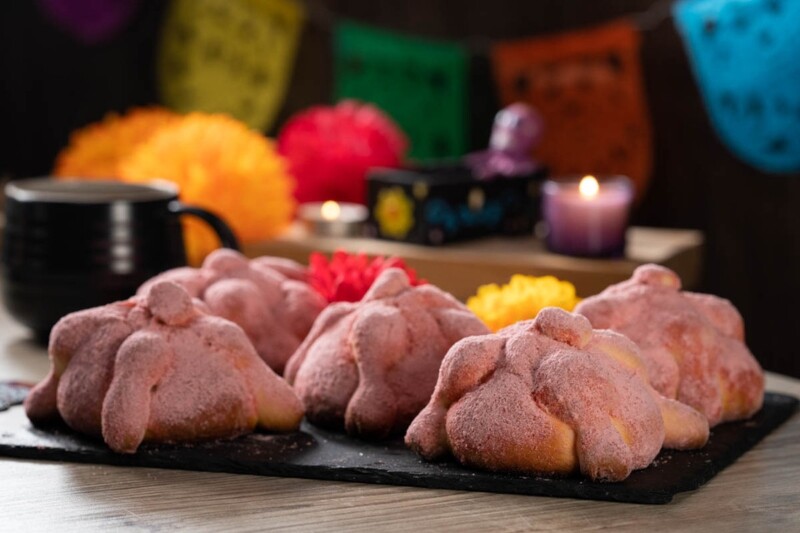
Pan de muerto is a sweet, orange-scented bread baked in Mexico for Día de Muertos (Day of the Dead). It is a round loaf topped with strips of dough shaped like bones and a small ball in the center. Families place it on their altars as an offering to returning souls and share it with loved ones from mid-October through November 2.
Pan de muerto, or bread of the dead, is one of the first signs that Day of the Dead season has reached Mexico. By October, bakeries stack golden, sugar-dusted loaves by the door, and the smell of orange blossom drifts onto the sidewalk. Families buy it for their ofrendas, and just as often for breakfast with a cup of hot chocolate.
This guide explains what the bread is, what its shape means, how its history is told, and how it changes from region to region. It also includes a recipe for baking it at home. If you're visiting Mexico between late October and early November, you'll find tips for tasting it where it's made.
What Is Pan de Muerto?
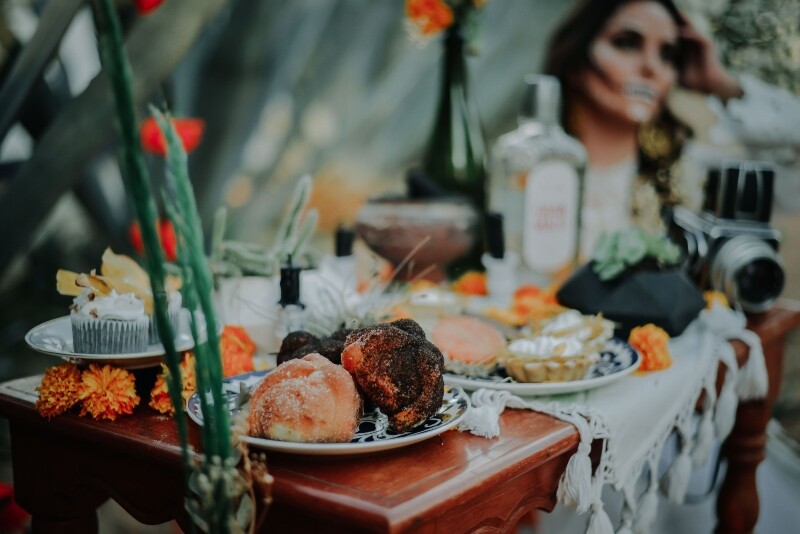
Pan de muerto is an enriched yeast bread, closer to brioche than to a crusty loaf. The dough is made with flour, butter, eggs, sugar and milk, then flavored with orange zest and orange blossom water (agua de azahar). Some bakers add a pinch of anise seed.
After baking, the loaf is brushed with butter and coated in sugar. The result is a sweet, slightly crunchy shell over a soft, fluffy crumb. The bread itself is only lightly sweet, which is why it goes so well with hot drinks.
You'll see the name written both as pan de muerto and pan de muertos. Both are correct and widely used in Mexico.
What the Shape of Pan de Muerto Means
The classic round loaf carries meaning in almost every detail. Explanations vary by family and region, but these are the ones you'll hear most often:
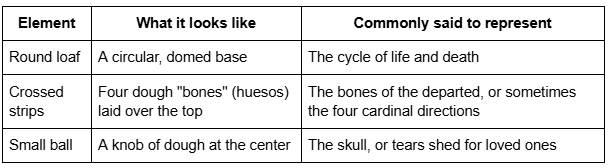
Knowing the pan de muerto meaning helps explain why the bread belongs on an altar as much as on the breakfast table. It is food for the living and an offering for the dead at the same time.
Where Pan de Muerto Comes From
Day of the Dead blends Indigenous traditions of honoring ancestors with the Catholic observances of All Saints' Day and All Souls' Day, which the Spanish brought in the 16th century. UNESCO lists the celebration as part of the Intangible Cultural Heritage of Humanity. It notes that families prepare the favorite dishes of the deceased and place them on home altars and graves.
Pan de muerto history reflects the same blend. Offering food to the dead long predates the Spanish, but wheat arrived with them. Most accounts trace the bread to the colonial period, when European baking met existing offering rituals. You may also hear a more dramatic origin story involving pre-Hispanic sacrifice. It's a popular tale, but there's little evidence for it, so it's best treated as legend.
When and How Pan de Muerto Is Eaten
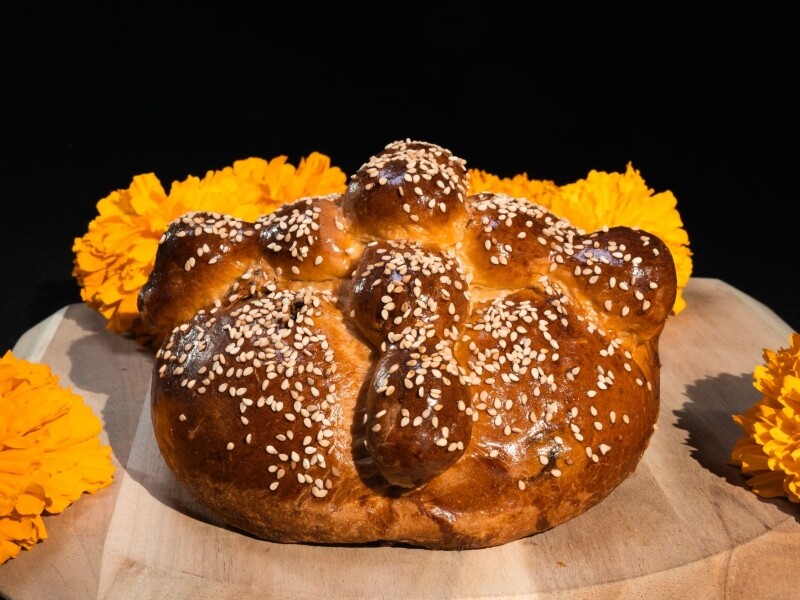
Pan de muerto is a seasonal bread. Some bakeries start selling it in late September, most have it by mid-October, and demand peaks on November 1 and 2. Within a week or two after that, it largely disappears until the next year.
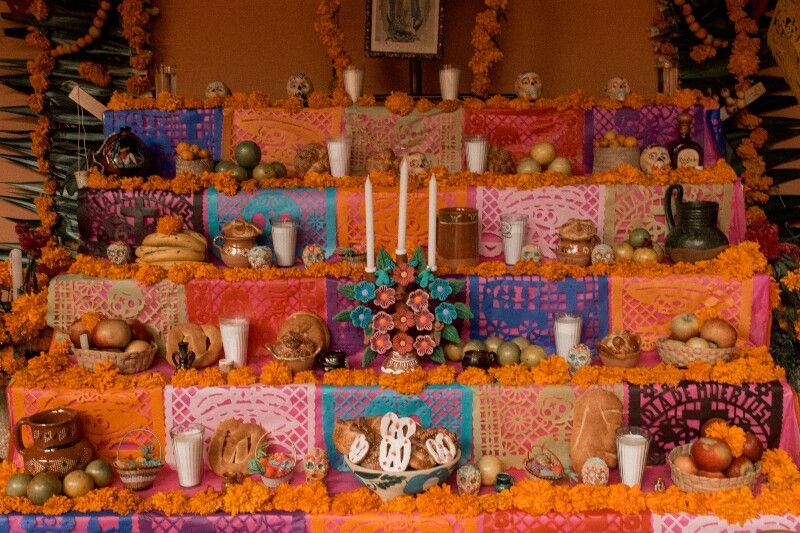
On the ofrenda, the bread sits alongside photos, candles, water, salt, marigolds (cempasúchil) and the favorite day of the dead food of the people being honored. If you'd like to build one yourself, our guide on how to make a Day of the Dead altar at home walks through each level. Our post on the history of papel picado explains the cut-paper banners that usually hang above it.
At the table, people enjoy it in a few ways:
- Warm, dunked in Mexican hot chocolate
- With atole, a thick, warm corn-based drink
- Sliced and filled with cream or nata, a version many bakeries now sell
Regional Styles of Day of the Dead Bread
Travel around Mexico and the day of the dead bread you find will change from one state to the next.
Oaxaca: Pan de muerto in Oaxaca is usually pan de yema, a dense, egg-yolk-rich bread. Instead of bones, it is often decorated with small painted faces, called caritas, pressed into the crust.
Central Mexico: The round, sugar-coated loaf with crossed bones is the style most visitors picture. In some areas, a similar bread goes by the name hojaldra.
Puebla and neighboring states: Many loaves are topped with sesame seeds instead of sugar. Some towns shape the dough into human figures or animals.
Yucatán Peninsula: The Maya celebration here is called Hanal Pixán, often translated as "food of the souls." Its signature dish is mucbipollo, a large tamal wrapped in banana leaves and baked underground in a pit oven called a pib. You'll still find pan de muerto in local bakeries, but mucbipollo is the dish most tied to the region. Our guide to traditional Yucatán food covers more of the dishes you'll find nearby.
How to Make Pan de Muerto at Home
If you want to know how to make pan de muerto, it's easier than it looks. The dough just needs time to rise. This pan de muerto recipe makes two medium loaves and takes about four hours from start to finish, most of it hands-off.
Pan de Muerto Ingredients
The pan de muerto ingredients are simple. For the dough:
- 4 cups (500 g) all-purpose flour
- 1/2 cup (100 g) granulated sugar
- 2 1/4 tsp (7 g, one packet) instant yeast
- 1 tsp salt
- 1/2 cup (120 ml) whole milk, warmed
- 4 large eggs, at room temperature
- 1/2 cup (115 g) unsalted butter, softened
- Zest of 1 orange
- 1 tbsp orange blossom water
For the topping:
- 4 tbsp (55 g) unsalted butter, melted
- 1/2 cup (100 g) granulated sugar
Step by Step
- Mix the dough. Combine the flour, sugar, yeast and salt. Add the milk, eggs, orange zest and orange blossom water, and mix until a shaggy dough forms.
- Knead in the butter. Knead for about 8 minutes. Then add the butter a little at a time and knead until the dough is smooth and elastic, another 5 to 8 minutes. The dough will be soft and slightly tacky, and a stand mixer makes this step easier.
- Let it rise. Cover the bowl and leave it somewhere warm for 1 1/2 to 2 hours, until doubled in size.
- Shape the loaves. Set aside about a fifth of the dough for decorating. Divide the rest in two and shape each piece into a smooth round on a lined baking sheet. Roll the reserved dough into thin ropes, pressing gently with your fingers to form knobby "bones." Lay two bones in a cross over each loaf and add a small ball in the center, using a dab of water to help them stick.
- Rise again. Let the loaves rise for 45 to 60 minutes, until puffy. Meanwhile, heat the oven to 350°F (175°C).
- Bake. Bake for 30 to 35 minutes, until deep golden. If the tops brown too fast, cover them loosely with foil.
- Finish while warm. Brush the loaves with melted butter and coat them generously with sugar.
Pan de muerto tastes best within a day or two of baking, while the crumb is still soft.
Tasting Pan de Muerto on a Trip to Mexico
Late October and early November fall in the shoulder season on Mexico's Caribbean coast. The summer heat eases and the winter holiday crowds haven't arrived yet. Hurricane season officially runs until November 30, so travel insurance and flexible plans are sensible, though storms are less frequent by then.
The real choice for most travelers is how much of the holiday to experience on property and how much in town. Many Sandos resorts mark Day of the Dead with altars, traditional dishes and Catrina-inspired celebrations. That's the easiest way to take part, especially with kids, and our Day of the Dead costume ideas will help you plan the look. A neighborhood panadería or a decorated cemetery shows you how local families actually live the tradition, but it takes more planning. If you visit a cemetery on November 1 or 2, keep your voice low, give families space, and ask before taking photos.
What this looks like in practice: A couple staying at Sandos Playacar in Playa del Carmen during the first days of November spends the mornings on the beach. One afternoon, they head into downtown Playa del Carmen to buy pan de muerto from a local bakery and see the ofrendas set up in shop windows. That evening, they return for the resort's Day of the Dead celebration, with their faces painted using our Catrina makeup tutorial. It's one short outing, and it gives them both sides of the holiday.
Final Thoughts on Pan de Muerto
Pan de muerto is more than a seasonal pastry. It's a way of welcoming loved ones home, shared across generations at kitchen tables and altars throughout Mexico. Baking a loaf at home is a meaningful way to take part wherever you live. Tasting one in Mexico, still warm from a neighborhood bakery, shows you how much the tradition means to the people who keep it.
If you'd like to experience Day of the Dead in person, the weeks around November 1 and 2 are a rewarding time to visit. Explore Sandos resorts in Mexico and plan a stay that leaves room for both beach time and culture.
Frequently Asked Questions
What does pan de muerto taste like?
It's soft and buttery, with a gentle sweetness and floral notes from the orange zest and orange blossom water. The sugar coating adds a light crunch on the outside.
Can you eat the pan de muerto from the altar?
Yes. Many families share the altar food once the celebration ends. Some say the offerings taste a little less flavorful afterward, because the spirits have already enjoyed their essence.
How long does pan de muerto stay fresh?
It keeps for about two days in an airtight container at room temperature. You can also freeze it for up to a month and warm it briefly in the oven before serving.
Is pan de muerto sold all year?
Mostly not. It's a seasonal bread, sold from around October until early November. In the United States, many Mexican bakeries carry it during the same weeks.
Is pan de muerto the same as a concha?
No. Conchas are an everyday Mexican sweet bread with a crackly, shell-patterned topping. Pan de muerto is richer, flavored with orange, and made specifically for Day of the Dead.
Can you make pan de muerto without orange blossom water?
Yes. Use a little extra orange zest instead. The bread will be less floral but still fragrant and traditional in spirit.